
























 0

The FAO Cereal Price Index averaged 122.8 points in September, up 6.0 points (5.1%) from August and 18.0 points (17.2%) above its September 2025 value.
World wheat prices increased by 6.3% from August, reaching their highest level since August 2023, although daily quotations eased towards the end of the month. The rise was largely associated with logistical constraints in the Black Sea region, which prompted importers to shift towards alternative origins. Dry weather conditions in parts of North America ahead of winter wheat planting also contributed to the increase.

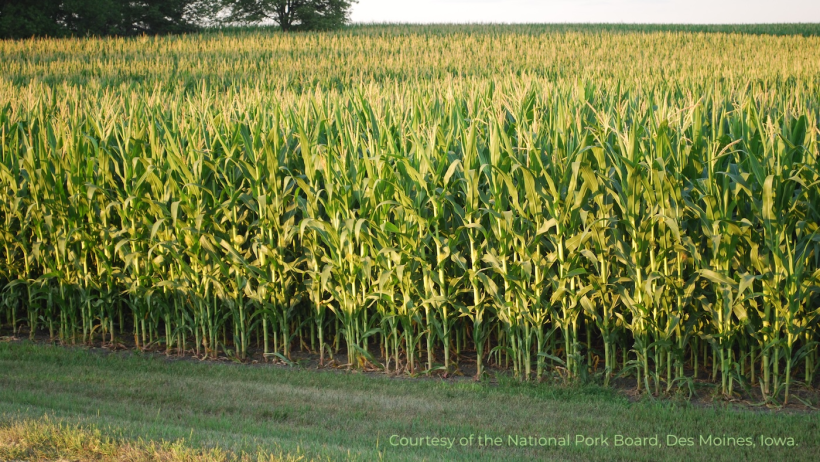
Global maize prices rose by 5.6% month-on-month to their highest level in more than three years, supported by a tightening supply outlook following lower-than-anticipated yields in the United States of America and less export availability in Brazil. Trade disruptions in the Black Sea region reduced maize export availability, while uncertainty over shipping through the Strait of Hormuz kept concerns about fuel, fertilizer and freight costs elevated, providing additional support to commodity prices, particularly for those used as biofuel feedstocks, such as maize.
World sorghum and barley prices also increased in September, by 13.7% and 3.9%, respectively, in line with broader trend across feed grain markets, as well as expectations of increased Chinese purchases of sorghum following trade discussions between China and the United States of America.
The FAO All Rice Price Index increased by 1.4% in September 2026, as Indica quotations rose amid weather concerns and seasonally tighter supplies.
October 2, 2026/ FAO.
https://www.fao.org