


 0

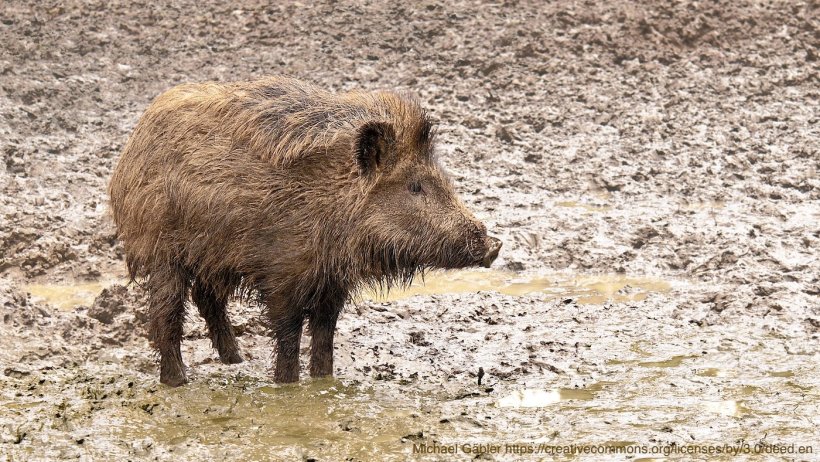
The first case of African swine fever (ASF) in Finland was confirmed in a wild boar found dead in Virolahti in southeastern Finland on July 30, 2026. Since then, more cases of the virus have been found in the same area and in Pyhtää, approximately 60 kilometers west of Virolahti.
The direct economic impact of ASF on pork production is currently minimal. For individual farms, the effects of the restrictions may still be significant. For meat industry companies, the greatest impact will be the restrictions on the export of pork and carcass parts to countries outside the EU.

The markets of China, Japan, Taiwan and South Africa, which have imposed export bans, are estimated to have lost over 7 million euros worth of pork and over 4 million euros worth of other carcass parts by the end of the year. The loss of export income could reach a maximum of around 13 million euros in August-December 2026 and around 40 million euros in 2027, if exports cannot be redirected to new markets at all. The disease has not yet had an impact on intra-EU pork trade.
The partial closure of export markets will not immediately reduce pork production. If meat intended for export can be sold on the domestic market or in other exporting countries, the effects will primarily be on product prices and company profitability.
If the virus were to spread to production pigs, the situation would change significantly. Official orders could also lead to the culling of infected animals, the suspension of production, and cleaning and disinfection of facilities.
If restrictions continue for a long time or the disease spreads more widely than it currently does, the magnitude of the economic impact will increase significantly. Key risks include a more permanent loss of export markets and a decline in pork prices and production profitability.
September 8, 2026/ Natural Resources Institute Finland (Luke)/ Finland.
https://www.luke.fi/